
People have always looked for lucky signs. In betting, this behavior shows up a lot. Some gamblers won’t place a bet on 22Bet without a certain charm. Others believe in lucky numbers. These habits go back centuries.
Lucky Rituals: From Socks to Prayers
Many bettors have personal rituals. Some wear “lucky” clothes. Others say a prayer. There’s even a group that won’t watch a match they’ve bet on, believing it “jinxes” the outcome. These actions might seem silly. But they help reduce stress. That makes them powerful, in their own way.
Psychology Behind the Beliefs
Why do people rely on superstition? The brain likes patterns. Even when they aren’t real. When someone wins after lighting a certain candle, the brain remembers that link. So next time, they light it again. It’s not magic—it’s mental wiring. It gives a sense of control in a random world.
Betting Houses Know This
Casinos and bookies aren’t blind to this. Some even design their offers with cultural beliefs in mind. Think of slot machines with lucky symbols. Or marketing campaigns around special dates. It’s a way to connect with what the bettor already believes. It’s good business.
Technology Hasn’t Replaced Superstition
Even with data, AI, and smart predictions, superstition hasn’t gone away. Some crypto bettors still carry out “rituals” before sending coins. New tools can’t erase old habits. In fact, some superstitions have evolved. Now it’s about betting on a “lucky” app or trusting a “magic” algorithm.
Sports and Superstition Go Hand in Hand

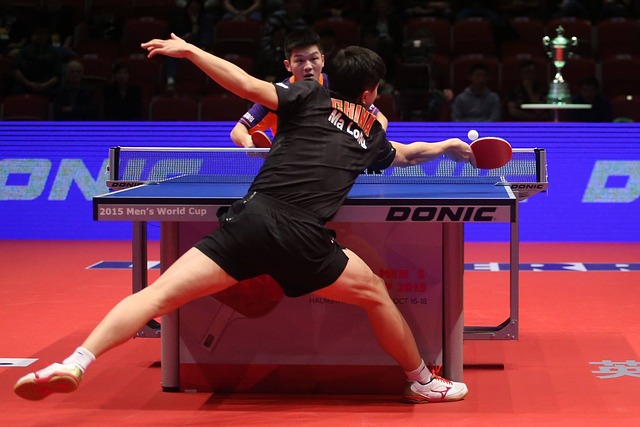
Gamblers who bet on sports often copy player rituals. If their favorite footballer kisses a wristband before kickoff, they might do the same before placing a bet. It builds a connection. It also makes the act of betting feel more personal, more involved.
When Superstition Goes Too Far
There’s a dark side. Some people can’t bet without their rituals. If they lose a charm, they might stop betting altogether—or double down out of fear. This kind of thinking can lead to unhealthy behavior. It blurs the line between habit and compulsion.
Religion vs. Superstition in Betting
In some cultures, religious traditions clash with gambling. But even in religious settings, superstitions sneak in. For instance, someone might pray for a win while feeling guilty about gambling. It’s a strange balance. And yet, it happens more often than we think.
Numbers, Colors, and Symbols
In many cultures, colors hold meaning. Red means luck in China. Green is tied to money in the West. Bettors may pick based on these colors. Numbers work the same way. These choices seem random—but to the person placing the bet, they feel right.
Personal Stories Shape Belief
One lucky bet can shape a lifetime of superstition. If someone wins big while wearing blue socks, those socks become their lucky charm. Over time, that story turns into a strategy. It might not make sense to others, but it’s real to them.
Superstition as Emotional Insurance
Sometimes, superstition softens the blow of a loss. A bettor might say, “I didn’t wear my lucky ring, that’s why I lost.” It protects self-esteem. Instead of blaming bad judgment, they blame the missed ritual. It’s a way to cope and keep going.
Superstitions Passed Down Through Generations
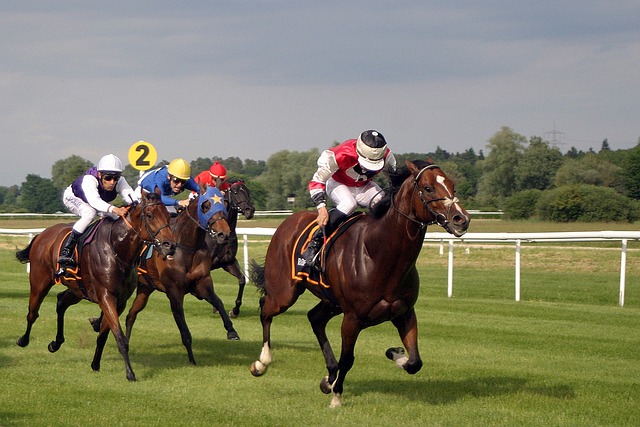
In some families, betting traditions are passed down. A grandparent may teach a grandchild to always “bet on the third horse” or avoid even numbers. These traditions become family lore. They turn betting into something more meaningful than just chance.
Are These Beliefs Harmless?

Most of the time, yes. A little superstition can be fun. It adds flavor to betting. But it’s important to know where to draw the line. Beliefs shouldn’t replace logic or responsibility. A lucky charm should never be a reason to bet more than you can afford.
What Science Says
Studies show people like feeling in control. Superstition gives that feeling. Even if the belief is false, it reduces stress. That’s why it works. But science also warns us. Relying too much on rituals can lead to poor decisions. Knowing the line is key.
Betting Communities and Shared Beliefs
Online forums often have their own superstitions. A post might say, “Never bet after 2 PM,” or “Only trust odds that end in 7.” These shared ideas create group bonds. It’s like an inside joke—but taken seriously.
Bookmakers Use This to Their Advantage
You’ll notice some sportsbooks use specific numbers, colors, or event dates in their promotions. This isn’t random. They’re tapping into cultural beliefs to spark more bets. It’s clever. And it works.